Ten Lessons Learned About Building With AI — From a Non-Engineer
My lessons from building with AI for over a year and a half — as someone without an engineering background.
01 AI is the master (1 of 2)
Use AI to teach you. Ask, then ask again. Have it explain the principles, and have it visualize them for you. You finally have a college professor on call for $20 a month.
AI can help you understand what you should do.
02 AI is the servant (2 of 2)
Once you have an intuition for what needs to be done, tell the AI to do it.
If you get stuck, go back to Lesson 1 — treat it as a chance to learn, and ask why something isn't working. Then put the AI to work again, informed by what you just learned.
03 Build something right away
If you feel the urge to become a builder, the best thing you can do is build something.
Anything: an app that counts the seconds you have left to live, a timer, a gamified weather app, an SMS service, a TikTok crawler — whatever. Just go and push the AI to build it.
Revisit Lessons 1 and 2 as you go.
04 The Pancake Principle — get ready to witness garbage
Your first output will probably be a disaster, and it's fine to abandon the project right then.
I always come back to MrBeast's Rule of 100: you only get better by trying something 100 times, improving a little with each attempt. The good news and the bad news are the same — 95% of people quit after the second failure.
Revisit Lessons 1 and 2.
05 Second-order thinking
This was my first big lesson — and the one that exposed the downside of not having an engineering background. Don't get too excited about the shiny thing on the screen (first-order thinking); there's a good chance nothing behind it actually works.
Get ready to learn how to build a system, not an interface. Learn to ask questions about the system, not the surface layer. It's far more exciting.
06 Think like an architect, not a decorator
Think of what you're building as a construction project. If you want something that actually works in the end, it means making a lot of decisions up front — it pays to plan the water pipes before you paint the walls.
You'll fail at this sometimes. Just be ready to learn from it.
07 Get ready to fail, and optimize for learning
Failing is actually wonderful when it's cheap and fast. How many people can say their project failed in a matter of hours or days?
Pull a lesson from each failure, then move on to version N+1.
08 Cultivate patience and curiosity
We're nearing the summary. I genuinely believe that even the people building these models aren't 100% sure what's possible, or how.
So go back to Lessons 1, 2, and 3: whenever an idea crosses your mind, try to build it with AI. Learn whether it's doable — and why it isn't.
09 Stay open, and let AI help with ideas
Let the AI suggest ideas — in at least half the cases it will surprise you with the obvious.
AI will hand you brilliant, obvious ideas: obvious in a way you might find boring, but that you'd completely forgotten to consider. Let it remind you.
10 Fundamentals will remain the edge — so learn them
I'm not great with fundamentals, but I'm learning. The reason one person builds something better than another usually comes down to knowing the first principles and fundamentals more deeply — whether that's an algorithm, a statistical principle, or a simple UX rule.
Master these: read the books, take the courses, apply what you learn. And build things.
Further reading
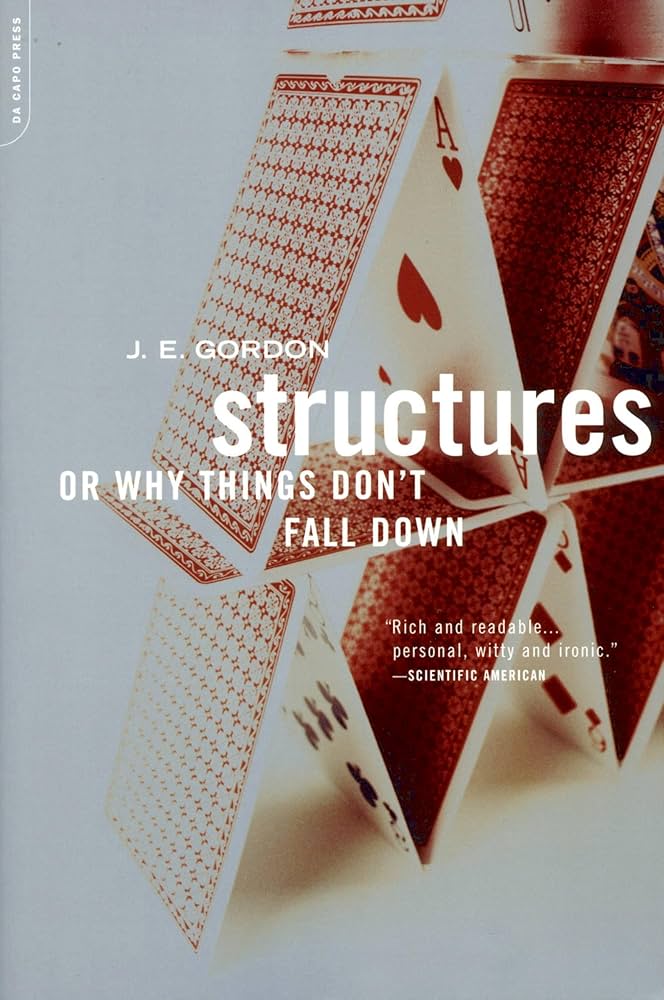
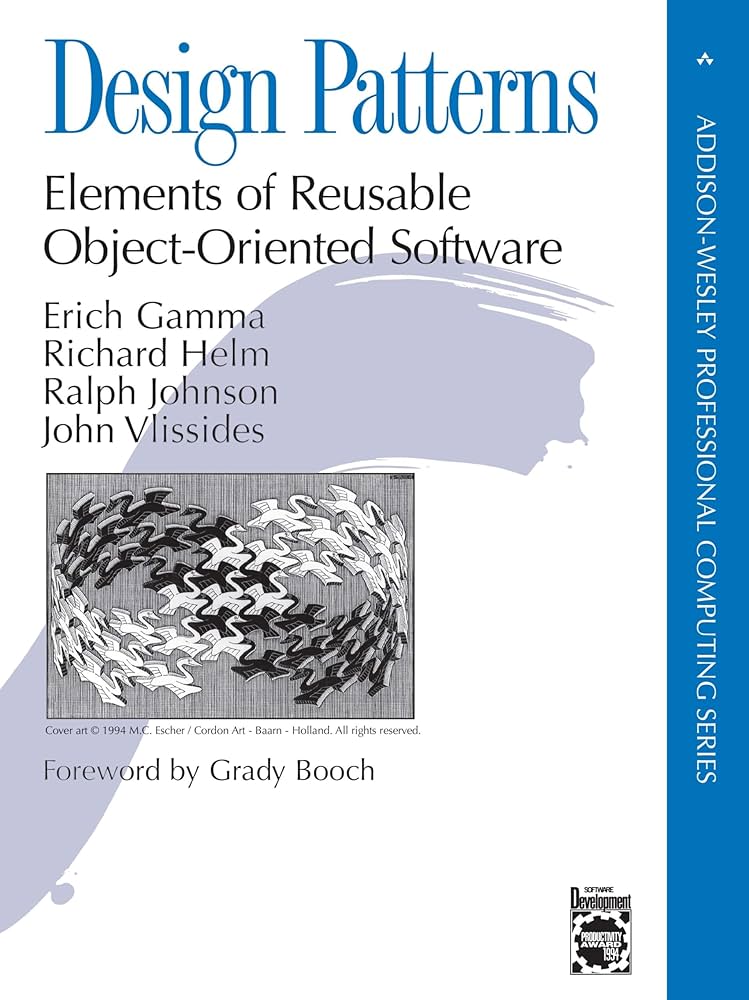
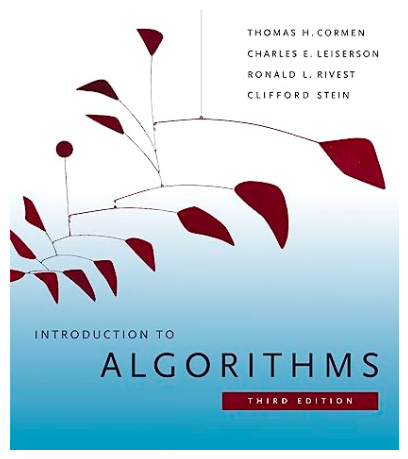
The book that inspired me to think about this topic — and two more that an experienced engineer told me are fundamental for anyone who wants to build (I plan to explore them myself).